Meet the Playwrights: Marcus Scott
In partnership with our friends at The CRY HAVOC Company, we are thrilled to announce that we've chosen our cohort of four playwrights for the inaugural cycle of our development series, Brave New Work. The series invites playwrights to create original works that will draw inspiration from Shakespeare's canon, but evolve into something wholly their own.
Meet the Playwrights
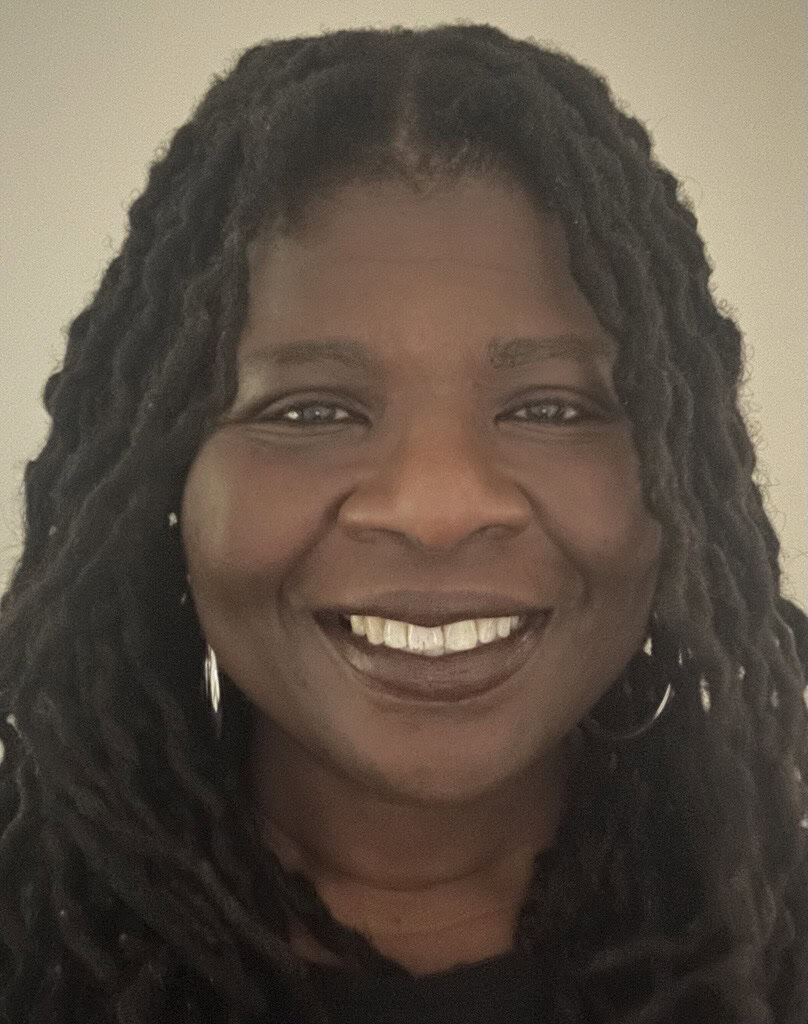
MARCUS SCOTT
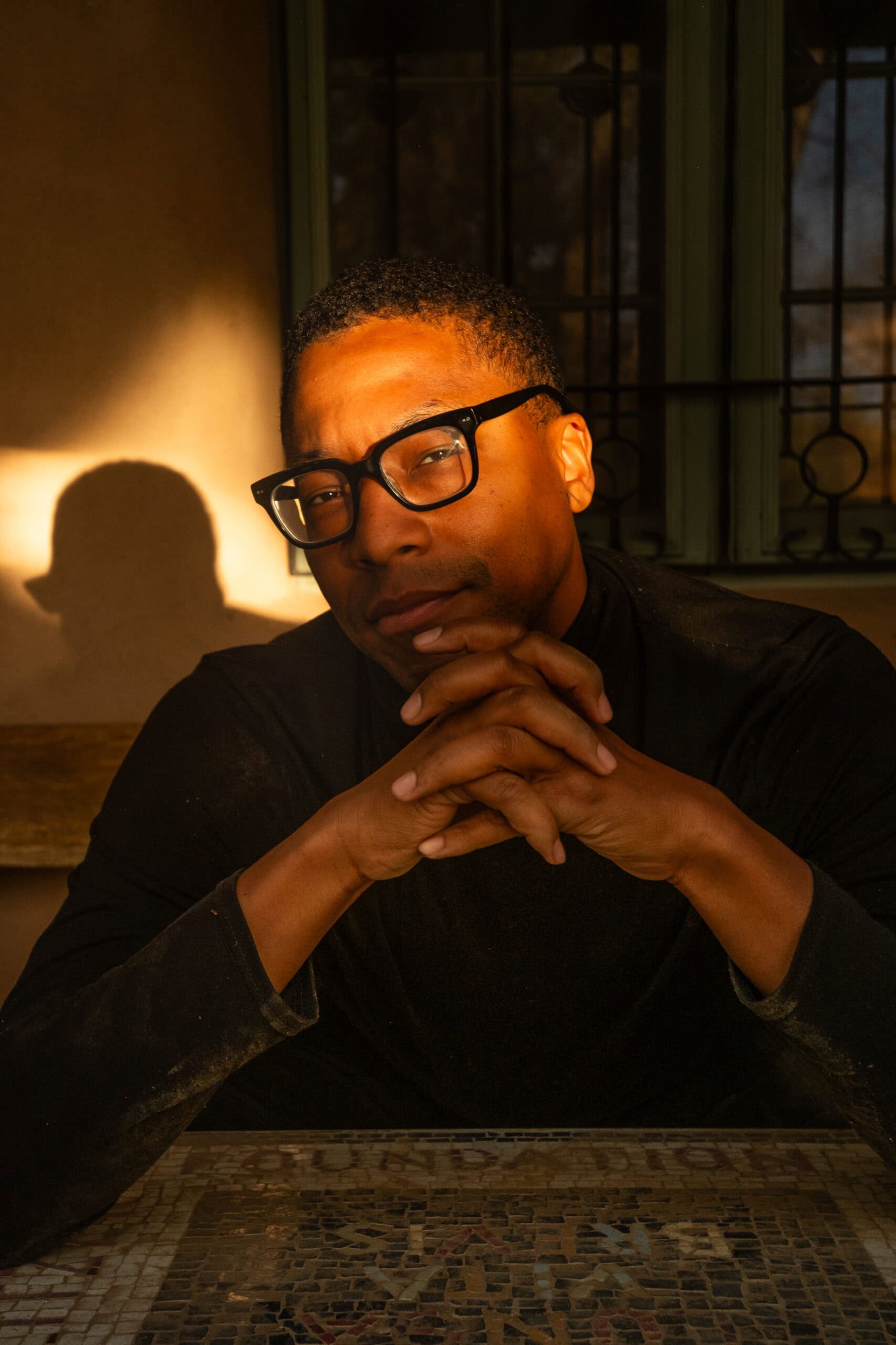
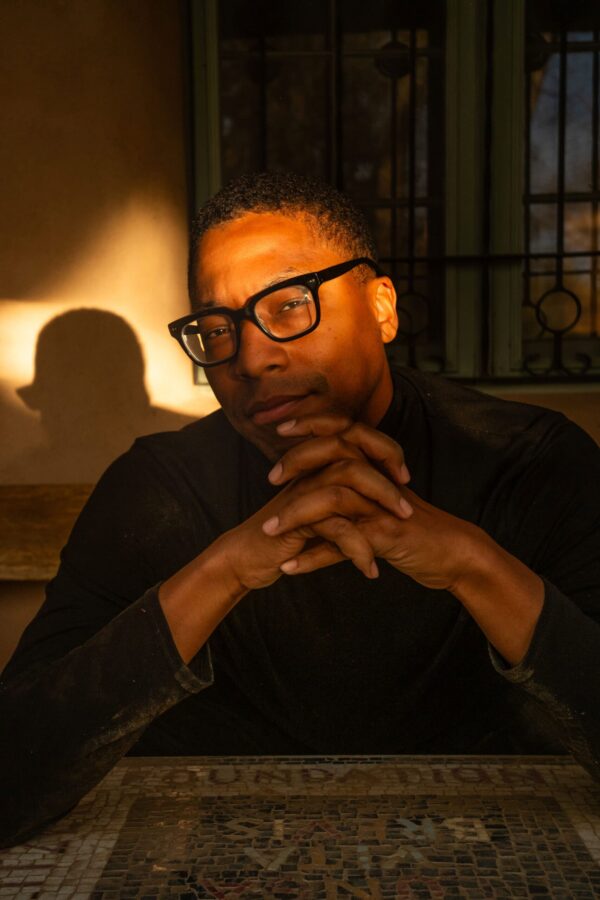
Marcus Scott is a dramatist and journalist. Notable plays include Tumbleweed (2025 Orlando Shakes PlayFest), Sibling Rivalries, and There Goes the Neighborhood, which have collectively earned finalist recognition from the O’Neill NPC, Princess Grace Awards, Blue Ink Award, SDNPF and BAPF. Musical credits include Cherry Bomb and a commissioned adaptation of Beethoven’s Fidelio for Heartbeat Opera (The Met Museum; NY Times Critic’s Pick). Recent honors include the Robert Chelsey/Victor Bumbalo Award, a Helene Wurlitzer Foundation Residency, and finalist status for the 2025 Ryan Hudak LGBTQ+ Award, the Dramatists Guild Foundation National Fellowship, and the Many Voices Fellowship. MFA: NYU Tisch.
Which of Shakespeare's plays have you chosen as the springboard for your play? What intrigues or excites you about building on that foundation?
I’ve chosen The Tempest as the springboard for my play. I’m fascinated by its perturbing resolution; the way it performs forgiveness while leaving huge ethical tensions simmering under the surface. Prospero renounces his magic, but the systems of control he built over the island, over Ariel, and over Caliban are never truly interrogated. That lingering silence is what gets me. Prospero is a paranormal propagandist — a father and a playwright orchestrating reality. I wanted to explore the aftershock of that magic. What happens when the architect of the narrative disappears? When the script is gone, whose memory prevails? This play enters the space after the “happy ending” to see if liberation is possible when the language of power still hangs in the air.
Which NYC neighborhoods make you feel the most at home?
Harlem and Bed-Stuy are where I feel most at home. There’s an intellectual and sociological electricity in Harlem that feels ancestral and forward-thinking; you can practically feel the lineage of artists, culturati, organizers, preachers, dreamers in the pavement. It’s a continuum of Black brilliance where possibility feels infinite. Bed-Stuy was my first home during grad school, and it’s communal in a way you don't find elsewhere. It’s the rhythm of stoop conversations, music spilling from open windows, and "aunties" who will read you for filth before inviting you in for a homecooked meal. Both neighborhoods are meccas where ambition and authenticity coexist — places where Black nerds, artists, and strivers can just be without needing a translator.
What types of prompts or source material are you most drawn to as a playwright? How would you describe your artistic voice or point-of-view?
I’m drawn to material that interrogates power: who wields it, who enforces it, and who dares to resist it. In an era of endless reboots, I’m less interested in the repetition and more interested in the afterlife. I want to see the psychological debris left at the margins of the “canon” once the curtain falls. My work is an excavation of Black interiority. I’m fascinated by the contradictions — Silicon Valley futurists, Divine Nine social climbers, and Afropunk rockers. My voice is analytical but lyrical;
I want to deconstruct narratives shaped by capitalism and anti-Blackness to help characters reclaim what’s been stolen, whether that’s memory or self-definition. Ultimately, I believe imagination is the most radical tool we have for reclamation.